Sauna and its benefits for the body
Sauna and relaxation is a relaxation ritual that has been around for centuries. And while the sauna was first introduced for hygienic reasons, today the benefits of the sauna go far beyond that, from its positive benefits for the body to its effects on sleep and psychological health. There is a growing body of research that seeks to find out and understand how the heat of a sauna can affect our bodies. Let's take a look at the already known and proven benefits of sauna.
Benefits of the sauna for the skin
Probably one of the most well-known benefits of a sauna - softer and brighter skin. Environmental pollution, poor nutrition, stress or improper skin care lead to the accumulation of toxins in the pores of the skin. A visit to the sauna is a great way to help the body get rid of these toxins - the heat stimulates sweating, which is the body's natural way of removing dirt, excess oil and toxins. This process is called detoxification or toxin release. Removing impurities from the skin improves skin tone, softens the skin and restores its overall condition.

Sauna – prevencijai prieš odos bėrimus. Sauna gali būti naudinga priemonė odos bėrimų prevencijai dėl kelių svarbių priežasčių. Pirmiausia, prakaitavimas išvalo odą nuo nešvarumų, kurie gali užsikimšti poras ir sukelti bėrimus. Taip pat saunos šiluma padeda atsipalaiduoti, mažina stresą – tai yra viena iš pagrindinių priežasčių, dėl kurių atsiranda odos bėrimai arba blogėja esama odos būklė. Saunos teikiamas atpalaidavimas ir streso mažinimas gali padėti sumažinti jaučiamą įtampą, taip sumažinant ir odos bėrimų riziką.
Sauna use has a positive effect on cellulite reduction. The heat in the sauna stimulates blood circulation, which can help reduce the appearance of cellulite marks. Improved circulation helps the body to absorb nutrients more efficiently and to remove toxins, which are the cause of cellulite formation. Heat also affects the elasticity and texture of the skin, which can slightly reduce the appearance of cellulite marks on the skin.
Sauna can also have negative effects on the skin
Despite the many positive effects of saunas - it can also affect the skin negatively. One possible negative effect is drying out of the skin caused by excessive use of saunas. The high temperatures can remove the skin's natural oils, which are essential for skin hydration and elasticity. This can lead to dry, flaky and sensitive skin surfaces.
Excessive heat and sweating can cause skin irritation or even burns. Particularly sensitive skin can find it difficult to tolerate high temperatures and humidity, leading to redness, itching or even rashes.
Although saunas are known to help cleanse the skin's pores, intense sweating can also clog them, worsening the overall condition. This happens when sweat and dirt are not properly removed after a sauna.
Less common is when prolonged and intense sweating removes the skin's natural bacteria and damages the protective sebum layer, which helps fight the spread of germs and infections.
Vis dėlto, saikingi apsilankymai saunoje gali būti puiki priemonė odos priežiūrai. Svarbu laikytis saunos naudojimo taisyklių, po apsilankymo pirtyje tinkamai drėkinti ir prižiūrėti odą bei konsultuotis su specialistais, jei kyla abejonių dėl odos būklės ar reakcijos į saunos poveikį.
6 main benefits of sauna for overall body function
The benefits of a sauna are not limited to the skin - it also has a positive effect on the body's overall functioning. There are 6 main benefits of the sauna that help to improve the body's overall performance:
- Improving circulation: the heat of the sauna stimulates blood vessels to dilate, which improves circulation throughout the body. This not only helps the body to get more oxygen and nutrients, but also helps to flush out toxins and impurities.
- Imuniteto stiprinimas: kai kurie tyrimai rodo, kad reguliarus lankymasis saunoje sustiprina imuninę sistemą – padidėja baltųjų kraujo kūnelių gamyba ir suaktyvinamas „mechanizmas“ natūraliai organizmo apsaugai bei gynybai nuo infekcijų ir ligų.
- Muscle relaxation: a sauna can be a great way to relax and relieve muscle tension after physical activity or stress. The effect of the heat can improve muscle flexibility and relieve physical pain and tension.
- Streso mažinimas: saunoje praleistas laikas suteikia raminantį poveikį. Pirties šiluma skatina endorfinų išsiskyrimą, o tai pasireiškia raminamuoju efektu, o šilumos atpalaiduoti kūno raumenys padeda sumažinti jaučiamą stresą, įtampą.
- Odos ir plaukų sveikata: išsamiau saunos naudas odai aptarėme anksčiau, tačiau verta paminėti, kad išvalytos poros ir iš odos pašalinti toksinai turi teigiamą poveikį ne tik odai, bet ir plaukams.
- Po saunos – į šaltą dušą. Jei po saunos nusiprausite po šaltu dušu – organizmas įsisavins dar daugiau naudų. Pirmiausia, tokiu būdu nuplaunate prakaitą ir nešvarumus – tai efektyviau išvalo poras ir paskatina odos regeneraciją. Šaltas dušas stimuliuoja imuninę sistemą ir padidina organizmo atsparumą ligoms. Taip pat tai padeda atgauti energiją, pagerinti nuotaiką, teigiamai suaktyvinti nervų sistemą.
Effects of saunas on psychological health
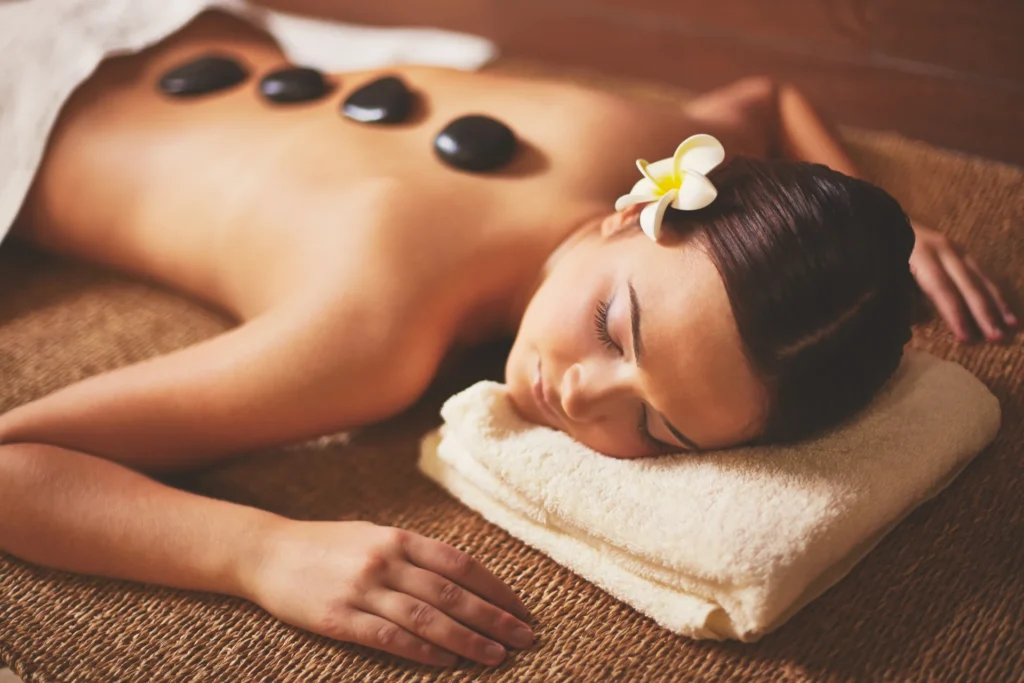
In addition to the exceptional benefits for the skin and the body, regular visits to saunas and saunas have a positive effect on our psychological health. First of all, it is a ritual that helps to relieve stress. The high temperature of the sauna promotes muscle relaxation and the reduction of tension in the body, and also stimulates the production of endorphins, or 'happiness hormones', which are 'responsible' for satisfaction, mood and emotional well-being.
Sauna teigiamai veikia miego kokybę, o tai vienas svarbiausių komponentų geros psichinės sveikatos palaikymui. Saunoje sumažėja kortizolio arba kitaip streso hormono lygis – tai padeda sumažinti psichologinę įtampą ir nerimą, kurie neretai yra pagrindinės nemigos ir blogo miego priežastys. Taip pat šiluma ir prakaitavimas saunoje sumažina fizinę įtampą ir atpalaiduoja raumenis – atsipalaidavęs kūnas būna pasirengęs miegui.
Sauna can be used as a form of meditation - staying in a calm environment, directing your thoughts and focusing on your senses.
Sauna time is a place to enjoy quiet, relaxing time with family or friends - social interaction also has a positive effect on psychological health, promoting relationship building and emotional support.
But note that all of this can have different effects on different groups of people - especially those with psychological exhaustion or other psychological problems. It is therefore important to be attentive to yourself, to listen to your body's signals, and to seek professional advice if you have concerns about your mental health.
Sauna, ageing and life expectancy
Spending time in a sauna should not be expected to rejuvenate or stop the natural ageing process. It may contribute to a slight improvement in appearance and well-being by moisturising the skin, improving circulation and reducing stress - from more supple skin to better circulation and absorption of nutrients - but it will not stop the body's natural processes, which are determined by genetics, environmental factors and lifestyle.
Although we have discussed many of the health benefits of saunas, there is also insufficient evidence to show that people who regularly use saunas live longer. Research has tended to focus on the benefits of saunas for specific health problems or factors, such as their effects on cardiovascular health, skin conditions and stress reduction.
We know that life expectancy is determined by many factors - including genetics, lifestyle, diet and physical activity. So a sauna can be just one way to maintain a healthy lifestyle.
In many cases, all the insights discussed and shared above are scientifically proven. These facts are based on numerous scientific studies and research analyses that confirm the health benefits of saunas. The sauna as a health tool has deep roots going back millennia: from the ancient Roman Empire, where saunas were used for discussion and debate, through different cultures, to the present day, where it has become a symbol of a way of life that encourages people to find time to stop and relax in the rush and the chaos of life.
Frequently asked questions
Kokia saunos nauda odai?
Saunos šiluma skatina prakaitavimą, kuris padeda išvalyti odos poras nuo nešvarumų. Išvalius poras pagerėja odos tonusas, ji tampa švelnesnė.
Ar sauna gali pakenkti odai?
Taip. Per dažnas lankymasis gali išsausinti odą, nes aukšta temperatūra pašalina natūralius odos riebalus, būtinus drėkinimui ir elastingumui. Jautriai odai gali atsirasti paraudimas, niežėjimas ar bėrimai. Po saunos svarbu prakaitą nuplauti ir odą drėkinti.
Kodėl po saunos verta nusiprausti šaltu dušu?
Šaltas dušas nuplauna prakaitą ir nešvarumus, todėl poros išsivalo efektyviau. Jis taip pat padeda atgauti energiją ir pagerina nuotaiką.
Kaip sauna veikia miego kokybę?
Saunoje sumažėja kortizolio — streso hormono — lygis, o šiluma atpalaiduoja raumenis ir sumažina fizinę įtampą. Atsipalaidavęs kūnas būna geriau pasiruošęs miegui.
Kaip sauna veikia nuotaiką ir stresą?
Šiluma skatina endorfinų išsiskyrimą, todėl saunoje praleistas laikas veikia raminamai. Sauna taip pat gali būti naudojama kaip viena iš meditacijos formų — buvimas ramioje aplinkoje, susitelkimas į savo pojūčius. Tačiau poveikis kiekvienam žmogui gali skirtis, todėl kilus susirūpinimui dėl savo sveikatos verta kreiptis į specialistą.
Ar sauna sulėtina senėjimą?
Ne. Nevertėtų tikėtis, kad sauna atjaunins ar sustabdys natūralius senėjimo procesus — juos lemia genetika, aplinka ir gyvenimo būdas. Sauna gali prisidėti nežymiai: elastingesne oda, geresne kraujotaka ir mažesniu stresu.
Ar sauna padeda nuo celiulito?
Moksliškai pagrįstų įrodymų, kad sauna mažina celiulitą, nėra. Šiluma laikinai pagerina kraujotaką ir odos paviršiaus išvaizdą, todėl oda po pirties gali atrodyti lygesnė ar stangresnė, tačiau šis efektas trumpalaikis ir neturi ilgalaikio poveikio pačiam celiulito susidarymui.
Kam saunoje lankytis nereikėtų?
Pirties reikėtų vengti sergant ūmiomis ligomis, karščiuojant, turint širdies ligų ar sunkiai kontroliuojamą kraujospūdį. Nėštumo metu prieš einant į pirtį būtina pasitarti su gydytoju. Taip pat venkite eiti į sauną apsvaigę nuo alkoholio — tai didina dehidratacijos, kraujospūdžio kritimo ir alpimo riziką. Sergantiems lėtinėmis ligomis ar vartojantiems vaistus taip pat verta pasitarti su gydytoju prieš apsilankymą.
Kaip dažnai ir kiek laiko verta būti saunoje?
Trumpas atsakymas: apie 20 minučių vienu kartu, o didžiausia nauda sveikatai pasiekiama lankantis 4 kartus per savaitę. Išsamesnius atsakymus apie tyrimais pagrįstą lankymosi dažnį ir trukmę rasite pirties naudų apžvalgoje.
Kuo privati sauna geresnė už viešą?
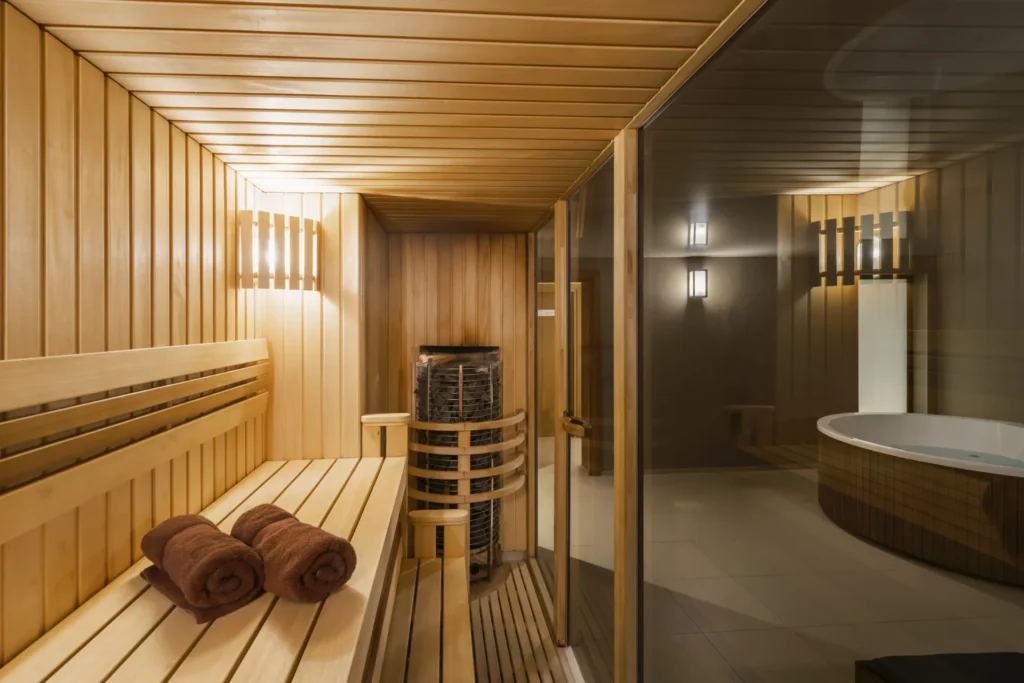
Privačioje erdvėje nėra pašalinių pokalbių ir šurmulio, todėl atsipalaiduoti paprasčiausiai lengviau. Mūsų svečiams siūlome a private sauna with a whirlpool tub apartamentuose — sauna ir sūkurinė vonia rezervuojama tik jums.